

Are you tired of the endless race for higher suction power in robot vacuums? It seems every new model boasts bigger numbers, making you feel like you're missing out. Let's uncover the truth.
No, stronger suction is not always better. A vacuum's real cleaning power comes from a smart balance of suction, airflow[^1], and structural design[^2]. For most homes, a consistent suction of 2,000 to 3,000 Pa is perfectly effective for daily cleaning needs and offers a better overall experience.
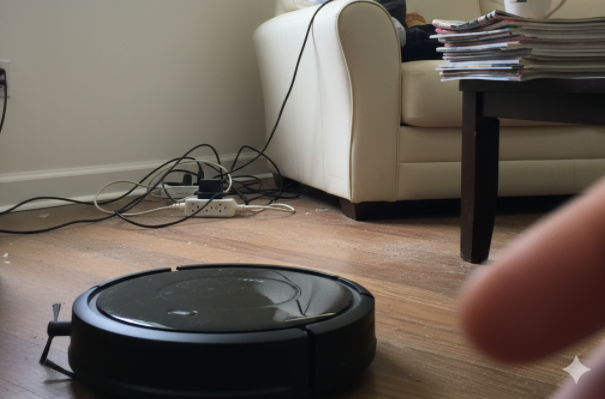
I've talked with many product managers, like Jacky from Germany, who feel pressured by this numbers game. They see competitors launching products with unbelievable suction specs and worry about their own product line's competitiveness. It's a common trap. But focusing solely on this one metric can lead to developing a product that looks good on paper but disappoints customers in real life. Let’s dive deeper into why this advertised power isn’t the whole story and what you should really be looking for.
Do huge suction numbers mean better cleaning?
You see competitors advertising vacuums with 10,000Pa or even 20,000Pa. It feels like a high-stakes numbers race. You start wondering if your products can compete. Let's find out what's really happening.
These huge suction numbers are mostly for marketing. They often refer to a short "boost" mode that can't be sustained. In reality, this extreme power drains the battery quickly and isn't necessary for picking up typical household debris. It's more of a gimmick than a practical feature.
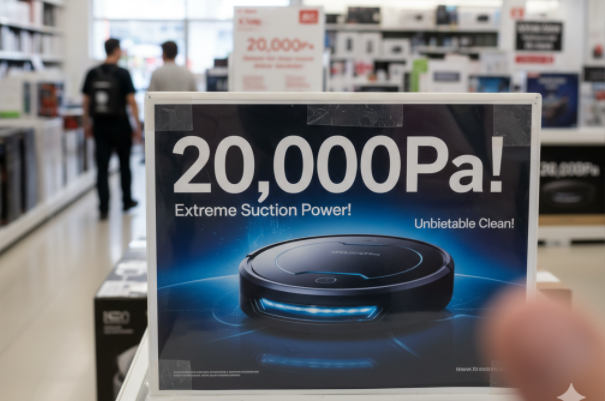
In my experience, I've seen brands like Ecovacs and Dreame promote new models with staggering suction figures. They announce 20,000Pa like it's a revolution in cleaning. But the reality is quite different. This peak power mode often lasts less than a minute. Why? Because the fan required to generate that much suction is incredibly power-hungry. Running it for any longer would place an immense strain on the battery, causing it to drain a lot faster. This is terrible for the user experience. A customer expects a vacuum to clean their whole house, not just one small spot at maximum power before needing a recharge. So, we must look at the sustained, standard suction power, not the short-lived, battery-killing boost mode. That is the number that truly reflects everyday performance and is a much more honest metric for product development.
What really determines a vacuum's cleaning power?
You might think a powerful motor is the only thing that matters. But then you see a vacuum with lower specs outperforming a high-suction model. This can be confusing when planning your product line.
A vacuum’s cleaning effectiveness[^3] is a combination of three key factors: suction power, airflow[^1], and structural design[^2]. A well-sealed machine with good airflow[^1] can clean better with less suction than a poorly designed one with a powerful motor. The whole system has to work together.
[^1], and vacuum design](https://ltrobovac.com/wp-content/uploads/2025/09/4.4.png "Elements of Vacuum Cleaning Power")
Let's break these factors down. True performance is about creating a balanced system, not just maxing out one specification. I learned this firsthand when we were testing two different prototypes. One had a much higher Pa rating, but its performance on fine dust was disappointing. The other, with a lower-rated motor, did a much better job. The difference was in the design. The better-performing model had superior sealing throughout its air path, from the brush roll to the dustbin. This prevented air from leaking, so all the motor's power was focused at the cleaning head. This is the difference between rated suction and effective suction[^4].
Here's how these elements work together:
| Factor | Role in Cleaning Performance | Why It Matters for Product Design |
|---|---|---|
| Suction (Pa) | Provides the raw force to lift debris from the floor. Measured in Pascals (Pa). | A baseline is needed, but extremely high numbers lead to trade-offs in battery life[^5] and noise. |
| Airflow (CFM) | Moves the lifted debris into the dustbin. Measured in Cubic Feet per Minute (CFM). | Strong airflow[^1] is crucial for preventing clogs and ensuring particles make it all the way into the bin. |
| Structural Seal | Prevents air from leaking, ensuring all suction power is concentrated at the cleaning head. Includes gaskets and design. | A well-sealed system makes the motor more efficient, allowing for excellent cleaning with less power consumption. |
Focusing on a holistic design that optimizes all three of these areas will create a far superior product.
What suction level is actually enough for most homes?
You want to offer a product that truly meets customer needs. Should you aim for 5,000Pa, 10,000Pa, or more? Is there a sweet spot that balances performance, battery life[^5], and cost?
Based on extensive testing, a real and sustained suction[^6] of 2,000Pa to 3,000Pa is more than enough for everyday household cleaning. This level easily handles common debris[^7] like dust, hair, and crumbs on both hard floors and low-pile carpets without creating excessive noise.
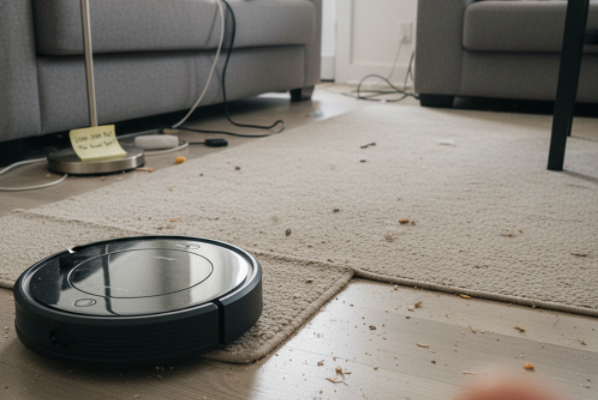
Many sellers, especially on platforms like Amazon, mislead buyers by advertising the suction of the bare motor. This number is completely irrelevant because it doesn't account for the loss of power as air travels through the machine's structure, filters, and hoses. The number that matters is the suction at the cleaning inlet. Another major downside of very high-power fans is noise. A vacuum screaming at 20,000Pa is incredibly loud and disruptive, which is a huge negative for user experience. People want their robot to clean quietly in the background, not sound like a jet engine. Through years of testing in our lab, we've confirmed that the 2,000-3,000Pa range is the sweet spot. It provides excellent cleaning results for daily messes while keeping the noise level[^8] acceptable and preserving battery life[^5] for a full cleaning cycle. So, when developing a new product, I always recommend targeting this effective, sustained suction[^6] range.
Conclusion
In summary, don't get trapped in the marketing race[^9] for the highest suction number. Focus on a balanced design that delivers effective, sustained power for a better user experience.
[^1]: Airflow is crucial for effective cleaning; discover how it impacts performance. [^2]: Explore how design influences suction efficiency and overall cleaning results. [^3]: Discover the key elements that determine how well a vacuum cleans. [^4]: Understanding effective suction can help you make informed purchasing decisions. [^5]: Learn about the trade-offs between suction power and battery longevity. [^6]: Find out why sustained suction is more important than peak suction for daily cleaning. [^7]: Learn about the everyday messes that robot vacuums are designed to handle. [^8]: Learn why noise level matters for user experience when choosing a vacuum. [^9]: Understand the impact of marketing on consumer perceptions and product features.