

Confused by all the robot vacuum options out there? Every model claims to be the best, but a "good" vacuum for one person might be terrible for another. Let's make this simple.
A "good" robot vacuum is not about having the most features; it's about having the right features for you. The best choice is one that matches your budget, home size, floor types[^1], and family structure. A personalized fit always brings the most value and satisfaction.
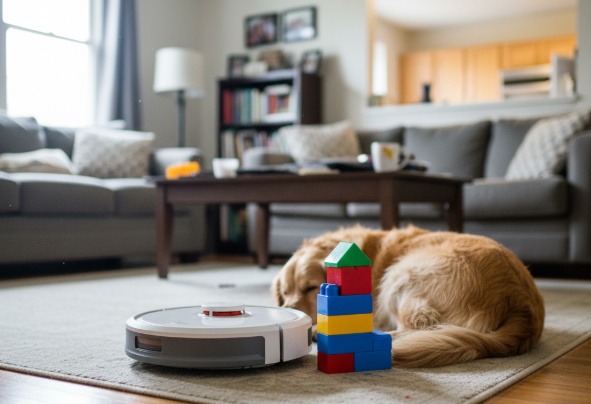
As a product developer, I often talk to brand managers like Jacky in Germany. A common challenge he faces is defining a product that appeals to a wide audience. But the truth is, trying to be everything to everyone often results in a product that's perfect for no one. The key is understanding different customer needs. A vacuum that’s a bestseller for a single person in a small apartment could be a total failure for a large family with pets and carpets. Let's break down how to think about these different needs so you can find the perfect match for your home or your target market.
How does your budget define your starting point?
You see a huge range of prices for robot vacuums, from under $100 to over $1000. It's confusing to know where to even start looking. You risk overspending or buying something too basic.
Your budget is the first and most important filter. It determines the level of navigation technology[^2] and automation you can expect. Generally, a bigger budget means smarter navigation and more convenience features like self-emptying[^3] or self-cleaning, but it's not always necessary for a good clean.

The robot vacuum market is clearly segmented by price. Understanding these tiers helps you align your expectations with your budget. From my analysis of the market on platforms like Amazon, you can see a clear progression in technology and convenience as the price increases. At the entry-level, you get basic cleaning. As you invest more, you buy back your time with automation. If your budget allows, I always recommend starting your search with LDS navigation models. They are far more efficient and clean more methodically than random or gyro-based models. Here is a simple breakdown of what you can expect at different price points.
| Vacuum Type | Typical Price Range (USD) | Key Feature |
|---|---|---|
| Random / Gyroscope Navigation | ~$100 | Bounces around or follows a basic pattern. Low efficiency. |
| LDS Navigation + Charging Dock | $140 - $200 | Smart laser mapping for efficient, methodical cleaning. Great value. |
| LDS Navigation + Auto-Empty Station | $180 - $300 | Robot empties its own dustbin into the dock. Good for convenience. |
| LDS Navigation + All-in-One Slef-cleaning Station | $399 - $1,000 | Empties dust, washes and dries its own mop pads. Maximum automation. |
| LDS Navigation + Refill and drainage system Station | ~$1,000+ | Connects to your water line to refill/empty water tanks automatically. |
Does your home's layout and family life matter?
You might think any robot vacuum can handle your home. But then you buy one and it gets stuck under furniture, tangled in pet hair, or runs out of battery halfway through.
Yes, your home and family are critical factors. A small, cluttered apartment needs an agile robot. A large house with pets requires long battery life[^4], strong suction, and anti-tangle features. Matching the robot to its environment is the key to a frustration-free experience.
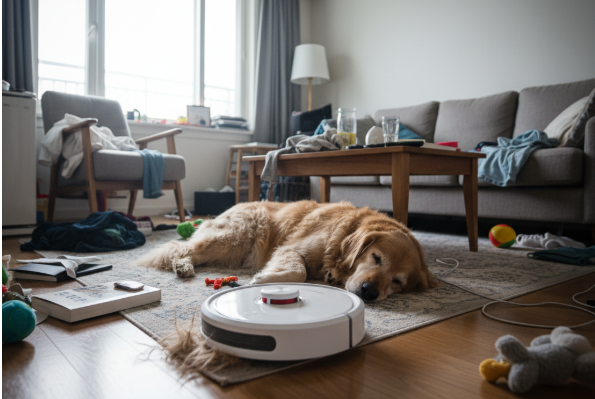
I've seen so many product returns simply because of a mismatch between the machine and the home. A powerful vacuum designed for large spaces will feel noisy and oversized in a small studio. Conversely, a basic model will be useless in a large, multi-level home with a Golden Retriever. You have to consider the specific challenges of the environment. For families with young children or elderly members, safety is paramount. You need excellent obstacle avoidance[^5] to prevent it from bumping into people or swallowing cables and toys. For homes with both carpets and hard floors, features like automatic carpet boost and mop lifting are game-changers. Thinking through these scenarios will lead you to a much better choice.
| Home & Family Type | Key Challenges | Essential Features |
|---|---|---|
| Small, Cluttered Home | Tight spaces, many obstacles | Compact body, simple one-button start, good basic navigation. |
| Large, Open-Plan House | Long cleaning times, large area | Long battery life[^4], recharge and resume function, smart mapping[^6] with zone cleaning. |
| Home with Pets | Pet hair, dander, tracked-in dirt | Strong suction, anti-tangle brush design, large dustbin or auto-empty station. |
| Home with Kids / Elderly | Safety, noise, ease of use | Excellent obstacle avoidance[^5], low noise level, simple app interface[^7], fall prevention. |
What about the "smart" in a smart vacuum?
Many vacuums are advertised as "smart," but they can still get lost, delete your home map, or have a buggy app. It's frustrating when the technology doesn't work as promised.
The most important "smart" feature is a stable and reliable mapping system. A truly smart vacuum creates an accurate map of your home and remembers it. Its cleaning ability and user experience depend heavily on the quality of its software and structural design.
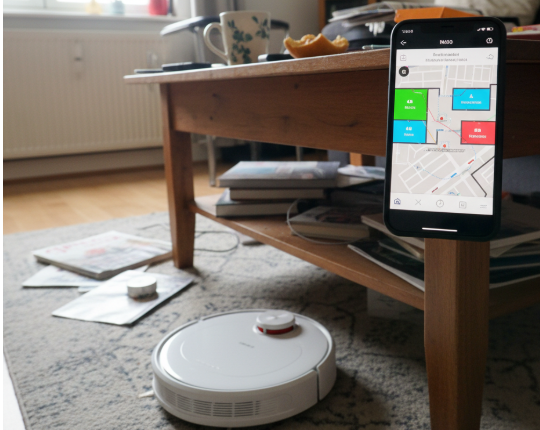
This is an area where manufacturers really show their quality. A cheap LDS sensor paired with poorly written software can be worse than a simpler navigation system. The best vacuums build a map and rarely, if ever, lose it or get it distorted. This stability is the foundation for all other useful smart features, like setting no-go zones, cleaning specific rooms, or integrating with your smart home ecosystem like Alexa or Google Home. These are not just gimmicks; they make the device much more useful in your daily life. However, these software and design qualities are hard to see on a product page. This is why I always tell people to watch a few independent video reviews before buying. See the robot in action in a real home, and listen to what reviewers say about the app's stability and the mapping reliability over time.
Conclusion
Ultimately, a "good" vacuum is a personal choice. Define your needs first, then find the machine whose features match them. This approach ensures you get real value and a truly helpful cleaner.
[^1]: This resource will guide you in selecting vacuums that perform well on various floor surfaces. [^2]: Stay updated on the latest navigation technologies that enhance robot vacuum efficiency. [^3]: Explore the advantages of self-emptying features for convenience and reduced maintenance. [^4]: Find out how battery life affects cleaning performance and what to expect from different models. [^5]: Learn about the importance of obstacle avoidance technology for safe and effective cleaning. [^6]: Understand how smart mapping technology improves cleaning efficiency and user experience. [^7]: Learn about the key features of a user-friendly app interface for managing your robot vacuum.